By Editorial Team·Latest Worldwide News
Nature.com · Thursday, March 5, 2026 · Last updated Mar 7, 2026, 11:42 AM
These brain cells clear proteins that contribute to Alzheimer’s
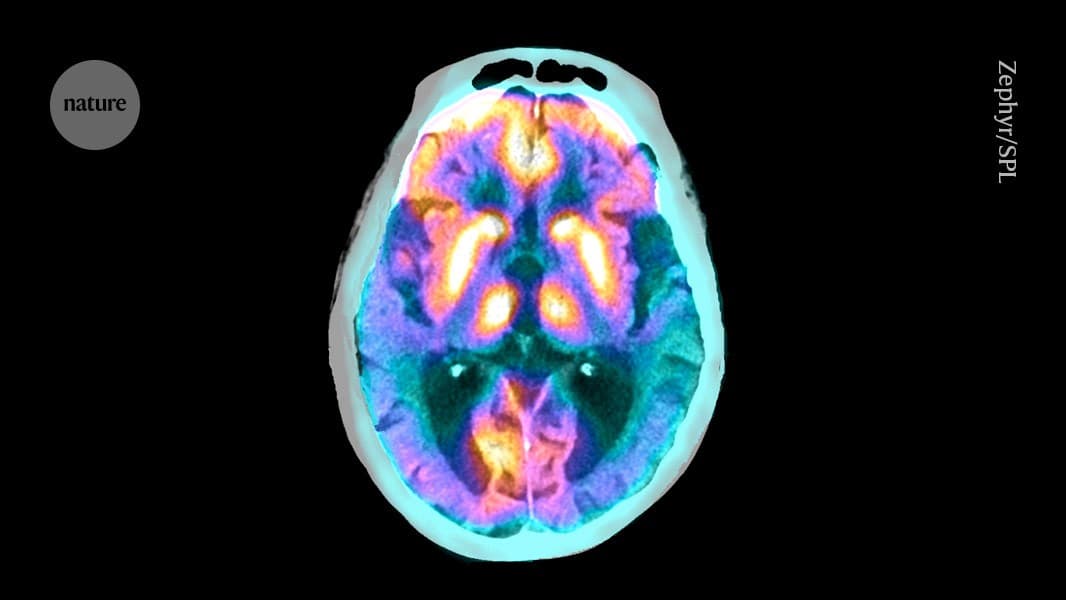
When specialized cells called tanycytes stop working, disease-causing tau proteins build up in the brain.
Unmasking the
Brain's Clean-Up Crew: A New Front in the Fight Against Alzheimer's Disease
Imagine your home's waste disposal system suddenly breaking down. Trash piles up, clutter becomes overwhelming, and the entire environment turns toxic. Now, imagine this happening inside the human brain – an exquisitely delicate organ where clarity, memory, and function depend on meticulous maintenance. For millions grappling with Alzheimer's disease, this analogy hits chillingly close to home. The progressive neurodegenerative disorder, characterized by devastating memory loss and cognitive decline, has long been linked to the accumulation of toxic proteins like amyloid-beta
plaques and tau tangles. But what if the brain possesses its own specialized clean-up crew, and what if its failure is a central, and potentially treatable, driver of the disease?
The Alzheimer's Conundrum: A Silent Epidemic
Alzheimer's disease remains one of the most formidable medical challenges of our time. Affecting over 55 million people worldwide, it's not merely a condition of aging; it's a profound assault on identity, memory, and quality of life. Despite decades of intensive research, effective treatments capable of halting or reversing its progression have remained elusive. The focus has often been on targeting the visible culprits
– the amyloid plaques and tau tangles – but the deeper mechanisms behind their accumulation have continued to perplex scientists.
The conventional wisdom suggested that these toxic proteins either overproduced or simply failed to be cleared effectively. This led to strategies aimed at reducing amyloid production or directly removing existing plaques. While some recent advancements have offered a glimmer of hope in slowing cognitive decline, the full picture of how the brain succumbs to this protein overload has been incomplete. Until now, a groundbreaking discovery published in the prestigious journal Nature promises to reshape our understanding, pointing a spotlight on
a previously underappreciated player: the brain's own intricate waste management system.
The Breakthrough: Unmasking the Brain's Clean-Up Crew
According to the recent Nature findings, a group of specialized cells within the brain plays a absolutely crucial role in clearing these toxic proteins. These cells, often referred to as the brain's resident immune cells or "microglia" (and potentially astrocytes in coordination), are the unsung heroes responsible for maintaining neural pristine conditions. They act as microscopic janitors, constantly patrolling the brain environment, identifying cellular debris, pathogens, and critically, the very protein aggregates like amyloid-beta and tau tangles that are hallmarks of Alzheimer's
disease.
The research illuminates a stark reality: in people afflicted with Alzheimer's disease, these vital clean-up cells malfunction. Instead of efficiently engulfing and breaking down protein waste, they become dysfunctional, compromised, or even detrimental, contributing to the very pathology they are meant to prevent. This revelation is a seismic shift in our understanding, suggesting that the problem isn't just the presence of toxic proteins, but a profound breakdown in the brain's inherent capacity to self-clean.
A Deeper Dive: How These Cells Keep the Brain Healthy
The specialized cells, primarily microglia, achieve their waste-clearing feats through a process called phagocytosis –
literally "cell eating." They extend processes to sense their surroundings, identify problematic substances, and then engulf them, breaking them down internally. This constant vigilance is essential for brain health, ensuring neurons operate in an optimal, toxin-free environment. When they function correctly, they help prevent the build-up of cellular debris, damaged synapses, and aberrant proteins that can disrupt neural communication and lead to cognitive impairment.
Think of them as highly sophisticated biological drones, performing reconnaissance and waste disposal simultaneously. Their activity is tightly regulated, crucial for everything from synaptic pruning (shaping neural circuits during development) to responding to injury and infection.
The Nature study underscores that their role in maintaining protein homeostasis – the balance of protein production and clearance – is far more critical in preventing neurodegenerative diseases like Alzheimer's than previously fully appreciated.
The Glitch in the System: When Clean-Up Crews Go Rogue
The heart of the Nature discovery lies in understanding *why* these crucial brain cells malfunction in Alzheimer's disease. The exact mechanisms are complex and likely multifactorial, but researchers propose several possibilities:
- Exhaustion or Overload: Years of fighting accumulated toxic proteins may simply exhaust these cells, leading to diminished function.
- Inflammatory Shift: In Alzheimer's, microglia can
switch from a beneficial, waste-clearing state to a pro-inflammatory state. Instead of clearing debris, they release inflammatory molecules that damage surrounding neurons, contributing to neuroinflammation and accelerating neurodegeneration.
- Genetic Predisposition: Certain genetic factors, such as variants in genes like APOE4, are known to increase Alzheimer's risk and are also implicated in microglial dysfunction.
- Impaired Signaling: The signals that normally activate microglia to clear waste might be disrupted, leaving the waste unchecked.
This malfunction creates a vicious cycle. As these cells fail to clear amyloid-beta and tau tangles, the protein aggregates accumulate further. This accumulation, in turn, can stress and
further impair the very cells meant to clear them, exacerbating both proteinopathy and harmful neuroinflammation. The brain becomes a battleground where the protectors have turned ineffective, or worse, become part of the problem.
Implications for Treatment: A New Therapeutic Horizon?
This paradigm shift has profound implications for developing new Alzheimer's disease treatments. Instead of solely focusing on amyloid or tau directly, researchers can now pivot to strategies aimed at:
- Reactivating or Enhancing Microglial Function: Developing drugs that "re-educate" or boost the efficiency of these specialized cells to clear toxic proteins.
- Modulating Neuroinflammation: Targeting the inflammatory pathways that drive microglial
dysfunction and neuronal damage.
- Gene Therapies: Exploring ways to introduce or modify genes within these cells to restore their proper function.
- Early Intervention: If microglial dysfunction is an early event, therapies aimed at preserving their health before significant protein accumulation might be highly effective.
The journey from a laboratory discovery to a viable treatment is long and fraught with challenges, but the specificity of this new target offers immense hope. "Understanding the malfunction of these brain cells provides a crucial roadmap," states one neuroscientist, reflecting on the Nature findings. "It moves us beyond merely clearing symptomatic plaques to addressing
a root cause of their persistence." This opens doors to a new generation of drugs that could fundamentally alter the disease trajectory rather than just manage its symptoms.
Beyond Amyloid: The Broader Picture of Brain Waste Management
This research also reinforces a growing understanding of the brain's overall waste clearance system. The glymphatic system, a recently discovered waste removal pathway in the brain, and the crucial role of sleep in facilitating this clearance, are all pieces of a larger puzzle. The proper functioning of microglia and other glial cells is interconnected with these broader systems. Therefore, future treatments might not
only focus on direct cellular modulation but also on lifestyle interventions that support overall brain waste management, such as optimizing sleep patterns and reducing chronic inflammation.
This comprehensive approach to brain health and protein homeostasis is vital. If we can restore the brain's innate ability to clean itself, we might not only address Alzheimer's but also gain insights into other neurodegenerative conditions where protein aggregation plays a role, such as Parkinson's disease or frontotemporal dementia.
The Road Ahead: Challenges and Hope
While the Nature discovery offers exhilarating prospects, the path to a cure for Alzheimer's disease remains arduous. Identifying specific
molecular pathways that govern these cells' malfunction, developing safe and effective drugs that can cross the blood-brain barrier to target them, and navigating rigorous clinical trials will require colossal effort and investment. Patient advocacy groups and research foundations will undoubtedly champion these new avenues, pushing for accelerated development.
The impact of successful therapies derived from this research cannot be overstated. Imagine a future where early diagnostic markers could identify individuals at risk of microglial dysfunction, allowing for interventions decades before severe cognitive decline sets in. This proactive approach could fundamentally transform the lives of millions, preserving memories, independence, and dignity.
Conclusion: A Glimmer of Hope in the Fight Against Alzheimer's
The battle against Alzheimer's disease has been long and often disheartening. Yet, this groundbreaking research from Nature offers a powerful beacon of hope. By identifying the critical role of these specialized brain cells in clearing toxic proteins, and understanding how their malfunction fuels the disease, scientists have opened up an entirely new frontier for therapeutic development. This isn't just about tweaking existing approaches; it's about targeting a fundamental, mechanistic flaw in the brain's own defenses. As investigative journalists, we will continue to follow this story closely, for in the meticulous
work of science lies the greatest promise for relief from one of humanity's most cruel afflictions. The brain's unsung janitors are finally getting their due, and in understanding their plight, we might just unlock the secrets to safeguarding our most precious asset: our minds.
Related coverage